
Author: Команда R&D, CUIGUAI Flavoring
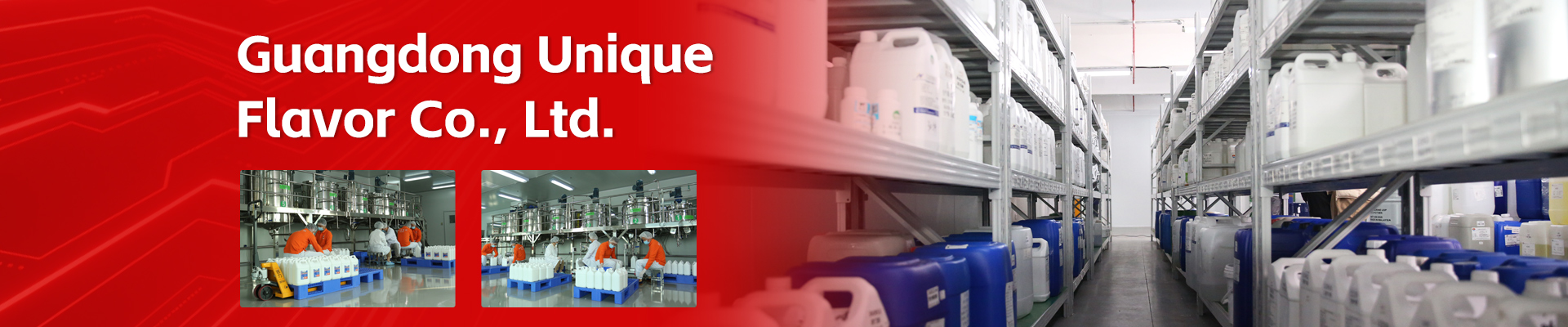
Published by: Гуандунская компания «Уникальный вкус»
最后更新:Jun 09, 2026
WhatsApp и Телеграмм: +86 189 2926 7983

Лаборатория ароматической химии
In the hyper-competitive global food and beverage industry, flavor is not merely a sensory attribute—it is the definitive vector of brand identity, consumer loyalty, and market commercialization. As macro-economic shifts, multi-cultural culinary integration, and rigorous regulatory updates continuously reshape consumer behavior, fast-moving consumer goods (FMCG) brands face unprecedented volatility. Formulating a winning product requires more than conventional blending; it demands an agile fusion of predictive market intelligence, technical cross-examination, and robust chemical engineering. For modern product developers, sourcing flavor matrices that withstand rigorous processing while hitting highly specific organoleptic targets is an ongoing challenge.
Непрерывная рыночная разведка служит фундаментом для профессионального производства ароматов. Объединяя количественные данные глобального мониторинга потребителей и эмпирические лабораторные исследования, производители превращают крупные социальные тренды в стабильные, масштабируемые молекулярные соединения. В этом техническом белом документе представлен всесторонний анализ мировых трендов ароматов на 2026 год и далее, рассмотрены химические механизмы мультисенсорных впечатлений, инновации в системах стабилизации и доставки, описаны сложные международные стандарты безопасности пищевых продуктов и представлены индивидуальные стратегии применения для напитков следующего поколения, хлебобулочных изделий и растительных матриц. В качестве авторитетного партнера по инженерии ароматов мы стремимся дать предприятиям необходимые технические и сенсорные знания для построения устойчивых продуктовых цепочек.
Modern consumer preference has transitioned from simple, one-dimensional taste profiles toward complex, narrative-driven sensory experiences. This evolution is driven by a digitally connected global audience that craves cross-cultural authenticity, functional wellness, and clean, unadulterated ingredient decks. To meet these expectations, product developers must move past standard synthetic profiles and embrace natural, multi-layered aromatic systems that tell an authentic story while delivering exact reproducibility.
Global migration, digital media, and a generational desire for culinary exploration have sparked a demand for radical authenticity. Consumers no longer accept generic ‘citrus’ or ‘berry’ descriptors; they demand specific varietals with traceable geographical origins. This trend manifests as a surge in demand for regional botanicals and precise fruit profiles that convey premium positioning and a sense of place.
In the citrus category, generic lemon and orange profiles are increasingly replaced by yuzu (Japan), calamansi (Southeast Asia), finger lime (Australia), and Meyer lemon. Each of these varietals exhibits a highly unique volatile profile. For instance, yuzu contains high concentrations of yuzunone and thymol, imparting a complex, slightly bitter, woody-green nuance that synthetic lemon flavors cannot replicate. Similarly, the demand for authentic tropical profiles has driven the exploration of specific cultivars like Alphonso mango and pink guava, which rely on precise ratios of sulfur-containing compounds (mercapto alcohols) and volatile esters to replicate the distinct juicy, sulfurous, and floral notes of the fresh fruit.
Одновременно, межкультурные ботанические сочетания переопределяют традиционные сегменты напитков и кондитерских изделий. Формуляры сочетают классические фруктовые профили с изысканными цветочными, травяными или древесными экстрактами, добавляя утонченные верхние ноты. Примеры включают Elderflower-Grapefruit, White Peach-Basil и Raspberry-Hibiscus. Техническая сложность при использовании этих ботанических нот заключается в управлении их деликатными летучими компонентами; низкомолекулярные эфиры и монотерпены очень восприимчивы к испарению в процессе обработки, что требует применения передовых стабилизационных матриц для сохранения их тонкого ароматического профиля на протяжении всего срока хранения.
The modern health-and-wellness movement has fundamentally altered the functional food and beverage landscape. Consumers are no longer willing to sacrifice sensory pleasure for nutritional utility. This has created a critical challenge for flavor chemists: engineering high-performance flavor matrices capable of masking the severe off-notes inherent to functional active ingredients—such as bitter botanical extracts, metallic vitamins, astringent minerals, and earthy functional mushrooms (e.g., Lion’s Mane, Reishi)—while simultaneously delivering an indulgent sensory profile.
When active ingredients like caffeine, ashwagandha, or branched-chain amino acids (BCAAs) are introduced into a liquid or solid matrix, they interact directly with human gustatory receptors, sending intense bitterness signals to the brain. Traditional sugar-and-acid masking methods are often insufficient and run counter to the clean-label, low-sugar requirements of functional products. Flavor chemists must employ advanced molecular masking agents that operate via competitive receptor binding or physical complexation. By integrating specific hydrophobic compounds and natural sweet-flavor modulators, we can block bitter perception at the taste-bud level without altering the functional efficacy of the active ingredients.
Кроме того, снижение содержания сахара, натрия и жиров в продуктах лишает их естественной текстуры и ощущения во рту. Например, сахар значительно влияет на показатель брикс (растворенные твердые вещества), что сказывается на вязкости и послевкусии сладости. При замене сахара на высокоэффективные подсластители, такие как стевия (Rebaudiosides M и D) или монашеский фрукт, профиль вкуса часто страдает от задержки начала сладости и металлического послевкусия. Чтобы решить эти проблемы, наша команда НИОКР использует натуральные модуляторы вкуса, усиливающие ощущение сладости на ранних стадиях и восстанавливающие структурное ощущение во рту, воссоздавая богатый, округлый сенсорный профиль полноценных сладких продуктов без добавления калорий.
Sensory trends are moving simultaneously in two opposite yet complementary directions: comfort-driven nostalgia and boundary-pushing avant-garde experimentation. Nostalgic flavor profiles evoke psychological comfort, drawing from childhood memories and regional heritage. Conversely, avant-garde profiles cater to thrill-seeking consumers looking for unexpected, multi-sensory stimulation through complex processing techniques like fermentation, charring, and wood-smoking.
Nostalgic formulations focus heavily on authentic retro profiles, such as classic cereal milks, elevated malted vanillas, vintage sarsaparilla, and traditional birthday cake profiles. These profiles rely heavily on lactones, vanillin derivatives, and specific furaneols to generate a rich, comforting, and creamy retro experience. Capturing these notes requires a deep understanding of consumer regional demographics, as the ideal ‘malted vanilla’ profile can vary drastically between North American, European, and Asian consumer bases.
On the avant-garde front, there is a clear trend toward incorporating savory, smoky, and fermented nuances into historically sweet applications. Complex profiles like smoked caramel, charred oak vanilla, black garlic chocolate, and lacto-fermented plum are gaining traction in premium beverages, ice creams, and high-end confections. Achieving these profiles requires highly sophisticated flavor compounding. For instance, replicating a realistic ‘smoky’ note without imparting an acrid, medicinal, or ash-like off-taste requires the precise balancing of specific phenols (such as guaiacol and syringol) with sweet, resinous wood extracts. This delicate balance ensures the smoky notes serve as an elegant background complexity rather than an overwhelming chemical distortion.

Молекулярные механизмы эмульсий
In industrial B2B food and beverage manufacturing, an exceptional flavor concept is only as good as its physical and chemical stability within the final product matrix. Raw flavor compounds are inherently volatile, chemically reactive, and highly sensitive to environmental stressors such as thermal processing, oxygen exposure, UV light, and varying pH levels. To ensure that a flavor maintains its targeted organoleptic profile from the factory floor through extended retail distribution, flavor manufacturers must deploy advanced pharmaceutical-grade delivery systems and encapsulation technologies.
Microencapsulation is a core technological solution for protecting volatile top-notes from premature degradation and evaporation. At its core, microencapsulation involves wrapping core active flavor molecules within a protective wall material or matrix, creating micro-scale particles or beads that isolate the flavor from external degradative factors. This is particularly vital for delicate citrus oils, which contain high concentrations of d-limonene and other monoterpenes that readily oxidize into harsh, turpentine-like off-flavors when exposed to air and light.
The selection of the wall matrix is a critical engineering decision that dictates the stabilization efficacy and release mechanics. Traditional matrix materials include high-purity gum arabic, modified starches (such as octenyl succinic anhydride or OSA starch), maltodextrins, and specialized proteins. For advanced applications, our facility utilizes multi-component carrier matrices designed to optimize the glass transition temperature (Tg) of the particles. Maintaining a high Tg ensures that the encapsulated flavor remains in a stable, glassy state during storage, preventing the migration of oxygen into the core and the leakage of volatile aromas outward.
To gain deeper technical insights into how protective wall materials alter molecular retention and release kinetics under industrial processing conditions, food scientists frequently refer to the complete advanced microencapsulation flavor technology insights available in our official technical knowledge base. This detailed exploration reviews core-shell ratios and specific spray-drying parameters needed to achieve uniform particle size distribution.
The primary industrial methodology for flavor encapsulation is advanced spray drying, where a homogenized emulsion of flavor oil and carrier matrix is atomized into a heated drying chamber, instantaneously evaporating the water and trapping the flavor. For specialized applications requiring superior heat resistance or controlled sequential release, we deploy fluid bed coating and coacervation techniques. Coacervation involves a phase-separation mechanism of hydrocolloids (such as gelatin and carboxymethylcellulose) to form a dense, continuous membrane around the flavor droplets. This technique yields a highly robust core-shell structure that is completely water-insoluble at ambient temperatures, releasing the enclosed flavor strictly via mechanical shearing (chewing) or specific thermal thresholds during cooking or baking.
Liquid beverage formulations present a challenging environment for flavor stability. Many high-demand flavor profiles—particularly citrus oils, botanical terpenes, and oil-soluble nutrients—are completely hydrophobic. To incorporate these oils into an aqueous beverage matrix without causing phase separation, visual sedimentation, or the appearance of an unsightly ‘oil ring’ at the neck of the bottle, the flavor must be processed into a highly stable, optically clear or uniformly cloudy oil-in-water (O/W) emulsion.
The physical stability of a beverage emulsion is fundamentally governed by Stokes’ Law, which dictates that the rate of phase separation (creaming or sedimentation) is directly proportional to the square of the droplet radius and the density difference between the oil and aqueous phases, and inversely proportional to the viscosity of the continuous phase. Therefore, the most effective engineering lever to achieve long-term emulsion stability is the radical reduction of the oil droplet size to the sub-micron scale, typically between 100 to 300 nanometers. This is achieved by passing the raw emulsion through multi-stage high-pressure industrial homogenizers or microfluidizers operating at pressures up to 1000 bar, breaking down the oil droplets until Brownian motion overcomes gravitational separation forces.
To prevent these sub-micron droplets from undergoing flocculation and coalescence, specialized hydrocolloids and emulsifiers must be carefully integrated into the system. Formulators must carefully calibrate the Hydrophilic-Lipophilic Balance (HLB) of the surfactant system to match the specific oil phase. We utilize a combination of natural polymers, such as premium-grade Acacia Senegal gum, and high-efficiency small-molecule emulsifiers like sucrose esters or quillaja saponins. Quillaja extracts offer exceptional surface activity, forming a robust, electrostatically repulsive barrier around each droplet that remains stable across a wide pH range (from 2.5 to 7.0), making it ideal for highly acidic carbonated soft drinks and functional energy beverages.
For cloud beverages, where a distinct visual opacity is desired without risking physical separation, specific cloudifying agents are added. For an extensive analysis of the molecular physics and stabilizing agents used to counteract gravitational creaming in mass-scale liquid production, formulators can consult our comprehensive technical guide on beverage emulsion stability. This resource serves as a foundation for designing crystal-clear or perfectly opalescent beverage bases.
To immediately address industrial formulation challenges in liquid applications, manufacturers can directly deploy our specialized commercial solution, the high-performance Beverage Cloudifier Emulsion, which has been engineered to deliver exceptional optical stability and thermal resilience across intensive pasteurization cycles.
Industrial food processing involves highly intensive thermal and mechanical operations designed to ensure microbiological safety and shelf life. Processing methods such as Ultra-High Temperature (UHT) pasteurization, retort sterilization, hot-filling, and high-heat industrial baking subject the flavor molecules to extreme stress. Under these conditions, delicate top-notes (esters, aldehydes) are frequently degraded or lost through steam volatilization, while complex chemical rearrangements can generate undesirable Maillard reaction off-notes or burnt, caramelized profiles.
Достижение выживания процесса требует многоуровневого подхода, сочетающего проверку термостойкости, методы восстановления аромата и защиту прекурсоров. Химики по ароматам должны подбирать сырье исходя из их физических точек кипения и химических термических порогов. Например, в высокотемпературных хлебопекарных изделиях традиционные жидкие ароматы на основе алкоголя почти полностью испаряются в духовке. В ответ мы разрабатываем жирорастворимые или масляные системы ароматов, использующие высококипящие триглицериды средней цепи (МСТ) в качестве носителей, что физически удерживают ароматические соединения внутри липидной фазы теста на протяжении всего процесса выпекания.
To immediately resolve these critical thermal degradation issues in large-scale commercial bakery lines, industrial bakers can utilize our specialized line of Thermal-Stable Bakery Flavors, designed specifically to withstand prolonged oven exposure while retaining full sensory impact.
Восстановление аромата — еще одна передовая техника, используемая для восстановления свежего профиля продукта после обработки. Во время термической стерилизации фруктовых соков или пюре теряется характерная летучая фракция «свежего отжима». С помощью современных аналитических методов газовой хроматографии и масс-спектрометрии (GC-MS) наши лаборатории точно картируют утрату летучих соединений при определенных режимах тепловой обработки. Затем мы создаем высококонцентрированную «добавочную» ароматическую фракцию, содержащую точные соотношения летучих верхних нот, потерянных при нагревании. Вводя ее в охлажденную матрицу после пастеризации, мы полностью восстанавливаем естественный, свежий и сложный сенсорный профиль исходного сырья.
Succeeding in the global food and beverage market requires strict compliance with complex international regulatory frameworks. A flavor compound that is fully compliant in one region may be strictly prohibited or subject to intense labeling restrictions in another. For multi-national brands and exporters, navigating this complex legal landscape is a critical compliance checkpoint that must be addressed during the initial stages of formulation.
The foundational framework for international flavor safety is anchored by major regional regulatory bodies and scientific expert panels. In the United States, the Flavor and Extract Manufacturers Association (FEMA) operates an independent Expert Panel that evaluates the safety of flavor ingredients under the Generally Recognized as Safe (GRAS) provision of the Federal Food, Drug, and Cosmetic Act. The FEMA GRAS list is widely recognized and adopted across many nations throughout the Americas and Asia, providing a reliable baseline for flavor compliance.
In contrast, the European Union enforces a distinct regulatory regime governed by the European Food Safety Authority (EFSA) and codified under Regulation (EC) No 1334/2008. The EU maintains a strict positive list of authorized flavoring substances, which mandates comprehensive toxicological evaluations, including genotoxicity testing, before any new substance can be placed on the market. Furthermore, the EU enforces highly precise definitions for ‘natural flavorings.’ Under EU law, a flavoring can only be labeled as a ‘natural substance’ if it is obtained by appropriate physical, enzymatic, or microbiological processes from material of vegetable, animal, or microbiological origin, either in the raw state or after processing for human consumption. Furthermore, the phrase ‘natural [source] flavoring’ (e.g., ‘natural lemon flavoring’) can only be used if at least 95% by weight of the flavoring component is derived from the referenced source material, presenting a significant technical formulation hurdle for cost-effective natural compounding.
Для брендов, ориентированных на рынок Китая или осуществляющих экспорт, обязательным является соблюдение национальных стандартов безопасности пищевых продуктов. Регуляторная структура по ароматизаторам в Китае основывается на трех ключевых документах: GB 2760 (Стандарт по использованию пищевых добавок), GB 7718 (Общий стандарт маркировки упаковки) и GB 30616 (Национальный стандарт безопасности пищевых продуктов — ароматизаторы). Постоянное соответствие этим стандартам критически важно, поскольку китайские регуляторы строго проверяют импортированные и внутренние конечные продукты на наличие несоответствующих ингредиентов.
GB 2760 — это основной нормативный документ, определяющий перечень разрешенных пищевых добавок, включая ароматические вещества, их допустимые категории продуктов и максимальные нормативы использования. Таблицы B.1, B.2 и B.3 этого стандарта описывают разрешенные натуральные и синтетические ароматизаторы, а также категории продуктов, в которые добавление ароматизаторов строго запрещено (например, свежее молоко, сырое мясо и чистые растительные масла). Наш исследовательский центр использует актуальную систему отслеживания соответствия, которая автоматически сверяет каждый сырой ароматический компонент с последней редакцией стандарта GB 2760, обеспечивая полное соответствие экспортных формул перед производством.
Стандарт GB 30616 устанавливает строгие требования к качеству и техническим характеристикам производства пищевых ароматизаторов. Он определяет максимально допустимые уровни тяжелых металлов (свинец, мышьяк), микробиологические показатели и требования к безопасным носителям-растворителям. Используемые в жидких ароматах растворители — такие как пропиленгликоль, триацетин или этанол — должны соответствовать стандартам пищевого качества и быть явно разрешенными в Китае. Также стандарт GB 7718 регламентирует точное оформление на этикетке, где ароматизаторы обычно указываются как «пищевой ароматизатор», «аромат» или «съедобный аромат». Детальное указание состава аромата считается коммерческой тайной. Для соблюдения всех требований необходим партнер, способный предоставить полную прозрачность через сертификаты соответствия и технические документы.

Regulatory Compliance & Purity
The global shift toward clean-label products has transitioned from a niche marketing position into a mainstream market requirement. Consumers are actively avoiding ingredients that sound chemical or synthetic, driving food brands to replace artificial colors, preservatives, and synthetic flavors with clear, easily recognizable alternatives. In response, flavor compounding must adapt by replacing traditional synthetic building blocks with natural isolates and botanical extracts.
Разработка чистых этикеток для ароматов требует поиска натуральных альтернатив как активным ароматическим молекулам, так и функциональным носителям. Например, вместо синтетического бензальдегида для вишневого или миндального профиля химики используют натуральный бензальдегид, извлеченный из абрикосовых косточек с помощью ферментативных методов. Вместо синтетического ванилина применяют натуральный, полученный из ванильных бобов или биотехнологически произведенный путем ферментации натуральной феруловой кислоты. Для подробного анализа того, как меняются регуляторные требования и стандарты натурального извлечения, см. наш стратегический обзор. clean label flavor trends and development, which highlights core market shifts and formulation benchmarks.
In addition to natural status, global compliance often mandates Non-GMO Project Verification and Organic Certification. Organic flavor development is highly restrictive; under both USDA National Organic Program (NOP) and EU Organic Regulations, organic flavors must not utilize synthetic solvents, artificial carriers, or chemical extraction agents. Permitted extraction methods are strictly limited to mechanical pressing, steam distillation, water extraction, or fermentation using organic substrates. The carrier systems must also be certified organic, typically relying on organic certified ethyl alcohol, organic vegetable glycerin, or organic non-GMO sunflower oil. Our manufacturing facility features dedicated clean-production lines equipped to handle small-batch organic compounding, ensuring complete isolation from conventional materials and preventing cross-contamination.
Каждая категория продуктов питания и напитков обладает уникальной физической матрицей, тепловым режимом обработки, целевым сроком хранения и потребительской аудиторией. Успешная стратегия ароматизации невозможна без использования индивидуальных, специально разработанных формул, оптимизированных под конкретные химические и физические особенности применения.
The global beverage market is experiencing rapid innovation, led by ready-to-drink (RTD) premium teas, functional energy drinks, and zero- or low-alcohol spirit alternatives. Each of these sub-categories introduces specific formulation challenges that require tailored flavor engineering.
In functional energy beverages and pre-workout drinks, the formulation is heavily loaded with active ingredients such as caffeine, taurine, B-vitamins, and botanical energy extracts like ginseng or guarana. These ingredients impart intense, sharp bitterness and a persistent medicinal taste. To counteract this, flavor systems must go beyond basic sweet masking. We engineer robust, multi-layered flavor profiles that utilize high-impact, sharp fruit notes—such as sour green apple, blue raspberry, or passion fruit—paired with natural acidulants (citric, malic, and tartaric acids). The natural sharpness and high acidity of these fruit profiles work synergistically with molecular taste-masking agents to overwhelm and block the perception of medicinal bitterness, creating a clean, refreshing, and high-performance sensory experience.
To immediately address the complex requirements of next-generation beverage applications, developers can incorporate our high-solubility Natural Citrus Extract Powder, which provides vibrant, fresh top-notes that remain stable across extended liquid shelf lives.
In the rapidly growing zero-proof or low-alcohol spirit category, the fundamental challenge is replicating the characteristic ‘bite’ and warming sensation of ethanol without using actual alcohol. Ethanol provides unique physical properties to a drink; it acts as a flavor solvent, increases volatility in the headspace, and stimulates the trigeminal nerve to create a warming mouthfeel. To replicate this complex sensory experience in an aqueous matrix, flavor chemists compound specialized non-alcoholic spirit flavors that utilize natural capsicum, ginger oleoresins, and other botanical extracts to stimulate the same trigeminal nerve pathways. These warming compounds are carefully balanced with complex oak wood extracts, botanical distillates, and sweet-flavor modulators to recreate the sophisticated, lingering, and full-bodied experience of high-end aged spirits.
Хлебобулочные и кондитерские изделия подвергают ароматические соединения одним из самых высоких термических стрессов в пищевой промышленности. Промышленные печи для выпечки часто достигают воздушных температур свыше 200°C, что вызывает быстрое испарение ароматов с низкой температурой кипения внутри продукта.
In high-heat bakery applications, such as industrial biscuits, cookies, and cakes, the choice of the chemical carrier solvent is just as important as the flavor molecules themselves. Standard water- or propylene-glycol-based liquid flavors possess relatively low boiling points and flash points, causing them to vaporize and flash off along with the moisture of the dough during the initial stages of baking. This leaves the final baked product with a weak, flat, or unbalanced aroma profile. To solve this, our technical team formulates specialized high-heat bakery flavors that utilize oil-soluble carriers like refined medium-chain triglycerides (MCT) or high-stability vegetable oils, which exhibit significantly higher boiling points. The oil carrier forms a protective lipid phase within the dough matrix, locking in the volatile flavor molecules and preventing them from evaporating, ensuring a rich and lingering aroma in the finished product.
In confectionery applications like high-boiled hard candies, gummy candies, and chocolates, the processing challenges are equally demanding. Hard candies require adding flavors to a molten sugar mass at temperatures between 130°C and 140°C before cooling and shaping. If the flavor contains highly volatile esters or moisture, it will cause violent boiling, flavor flashing, and structural defects in the candy glass. For these applications, we utilize ultra-concentrated, moisture-free flavor oils or microencapsulated powder flavors. In chocolate manufacturing, the primary restriction is the complete exclusion of water, as even trace amounts of moisture will cause the chocolate mass to ‘seize’—turning into a stiff, unworkable paste due to the disruption of the lipid-sugar suspension. For chocolate, we compound pure oil-soluble flavor concentrates that integrate seamlessly with cocoa butter and lecithin, ensuring optimal rheological flow and a smooth, luxurious mouthfeel.
The commercial growth of plant-based meat and dairy alternatives has introduced some of the most complex challenges in modern flavor chemistry. Alternative proteins derived from soy, pea, faba bean, or oats contain high levels of undesirable off-notes that must be managed to achieve mainstream consumer acceptance. Pea protein, for instance, is characterized by intense green, beany, earthy, and bitter notes caused by hexanal and pyrazine compounds. Soy protein frequently exhibits a distinct chalky, beany, and metallic astringency that lingers unpleasantly in the mouth.
To build an appealing plant-based product, flavor chemists must apply a sophisticated two-step strategy: active off-note masking followed by targeted flavor reconstruction. Masking cannot be achieved by simply adding an overwhelming sweet flavor; it requires utilizing specific aroma compounds that work via olfactory and gustatory masking. For example, we integrate precise, low concentrations of specific aldehyde and ketone complexes that visually ‘align’ with the beany pyrazines, structurally modifying the consumer’s perception from an objectionable ‘beany’ note into a pleasant, rich, and nutty profile.
Once the off-notes are masked, the targeted flavor reconstruction phase can begin. In plant-based meat alternatives, we reconstruct the highly complex flavor profile of cooked animal protein. This is achieved by utilizing advanced non-animal-derived reaction flavors—compounds produced by heating natural amino acids and reducing sugars under specific moisture and pH conditions to replicate the authentic Maillard reaction. This process generates realistic savory, meaty, and grilled notes rich in furans, thiols, and thiazoles. In plant-based dairy alternatives like oat or almond milks, the focus shifts to replicating the rich, short-chain fatty acid profile of dairy fat. We utilize precise combinations of natural delta-lactones, diacetyl alternatives, and natural texturizing flavor modulators to recreate the velvety coating mouthfeel, rich creaminess, and clean finish of traditional dairy milk, overcoming the chalky and watery textures inherent to plant proteins.
In an industry where consumer trends can shift rapidly due to social media and digital viral cycles, relying on retrospective market data is no longer sufficient. Enterprise food and beverage brands must transition to a proactive, predictive R&D model. Continuous market intelligence is the critical tool that enables this agility, transforming raw global data into actionable, stable molecular formulations.
Партнерство с авторитетным производителем ароматов, объединяющим актуальную рыночную аналитику и передовые химические технологии, позволяет брендам значительно сократить цикл разработки продукта. Наше предприятие объединяет прогнозирование трендов и эмпирическую пищевую науку. Когда мировые данные показывают рост интереса потребителей к новому сенсорному концепту, наша команда R&D незамедлительно оценивает его физико-химические свойства — анализирует стабильность летучих соединений, проверяет нормативное соответствие на экспортных рынках и выявляет оптимальные системы доставки для коммерческого производства.
This predictive approach ensures that when a brand is ready to launch a new line, the necessary flavor technology is already fully developed, stable, and compliant. Our extensive inventory of raw aroma chemicals, automated compounding machinery, and pilot-scale application laboratories allow us to deliver rapid prototyping and consistent, large-scale commercial production, ensuring our enterprise partners maintain a distinct competitive advantage in the global market.
Помимо сенсорного качества и нормативного соответствия, решения о закупках в промышленном секторе B2B в значительной степени зависят от надежности цепочек поставок и чистоты сырья. Нарушение поставок хотя бы одного важного ароматического компонента может остановить крупные производственные линии, нанося серьезный финансовый ущерб брендам. Наша компания, как профессиональный производитель, минимизирует эти риски благодаря полной вертикальной интеграции и диверсифицированной международной сети поставщиков сырья.
Our facility operates under rigorous quality management systems, including ISO 22000 and HACCP certifications. Every incoming batch of raw natural extracts or aroma chemicals undergoes strict quality control testing—including refractive index verification, specific gravity measurement, and automated GC-MS analysis—to ensure absolute purity and the complete absence of adulterants. By maintaining extensive safety stocks of critical carrier solvents (such as propylene glycol and triacetin) and core flavor blocks, we guarantee our enterprise clients uninterrupted supply security and stable, predictable pricing, even during periods of global logistics volatility.

Industrial Enterprise Partnership
Navigating the future of the global food and beverage market requires a balanced combination of sensory innovation, advanced chemical engineering, and proactive regulatory compliance. As consumer expectations shift toward radical authenticity, functional indulgence, and clean labels, brand success depends on the technical execution of the flavor system. Working with a professional, vertically integrated B2B flavor manufacturer allows enterprise brands to de-risk their R&D pipelines, ensure long-term product stability, and achieve rapid compliance across international export markets.
Столкнулись с сложностями в формулировках, проблемами термостойкости или строгими нормативными требованиями в вашем текущем ассортименте? Не позволяйте деградации аромата ограничивать ваш рыночный успех. Сотрудничайте с нашим современным промышленным производством, чтобы получить индивидуальные сенсорные решения, полностью соответствующие вашим технологическим требованиям.
We invite enterprise product developers, R&D directors, and procurement managers to initiate a direct technical exchange with our senior flavor chemists. We offer comprehensive application testing, custom compounding, and complimentary commercial-grade samples optimized for your specific manufacturing conditions. Let us transform your sensory concepts into a resilient, highly scalable market success.
Свяжитесь напрямую с нашей глобальной B2B-инфраструктурой:

Авторские права © 2025 Guangdong Unique Flavor Co., Ltd. Все права защищены. Return and Exchange Policy


